Behind the scenes
Dana Wong 'Prikichi'
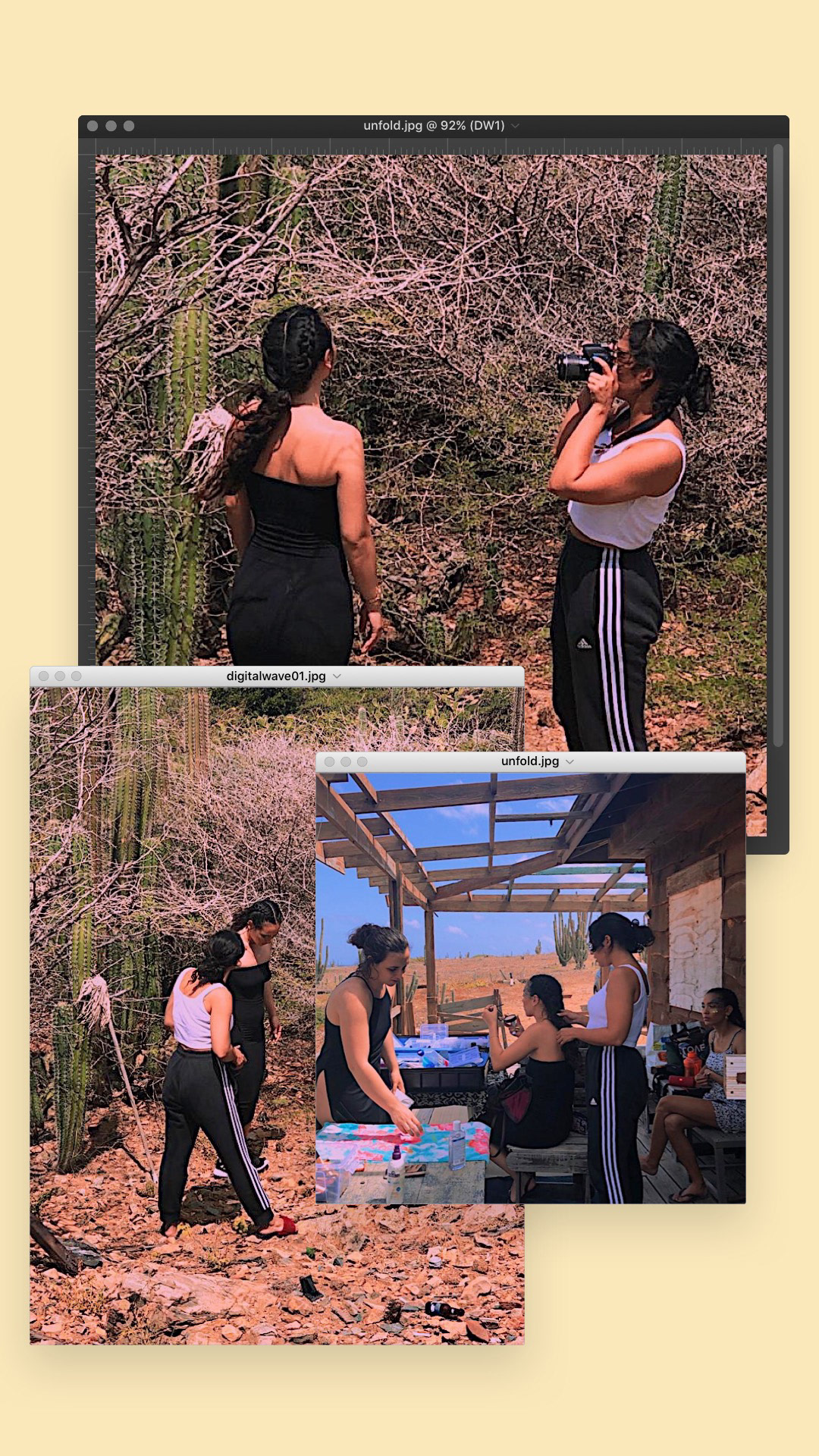
I collaborated with a talented local make-up artist named Andrea Kelly to create these pieces on the depleting bird life on the island– we did the photoshoot in the middle of the forest in the blazing heat, but it was all worth it for the vision.
Scrol down for all the pictures along with information about them.
Mei Chung
Mei Chung
Mei Chung
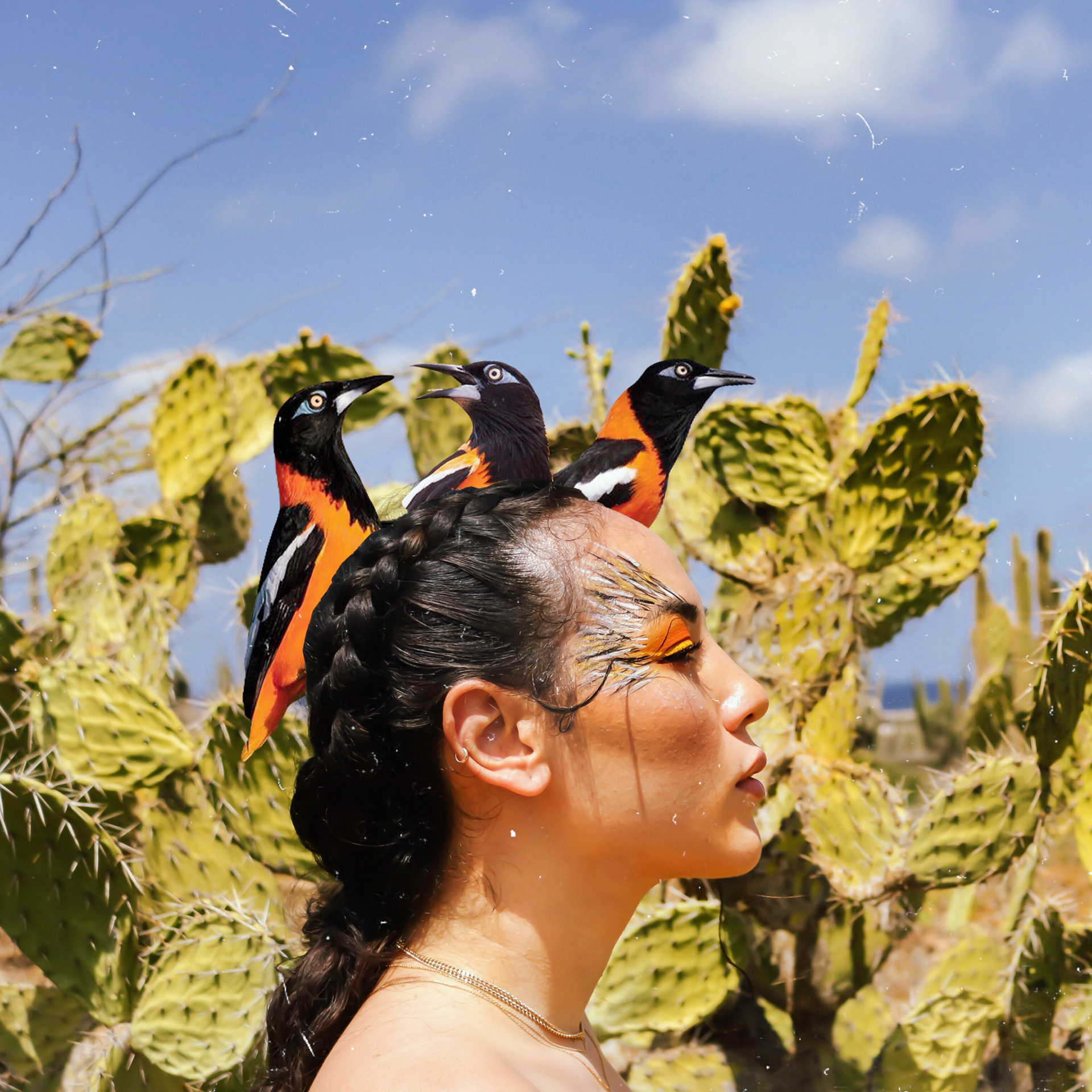
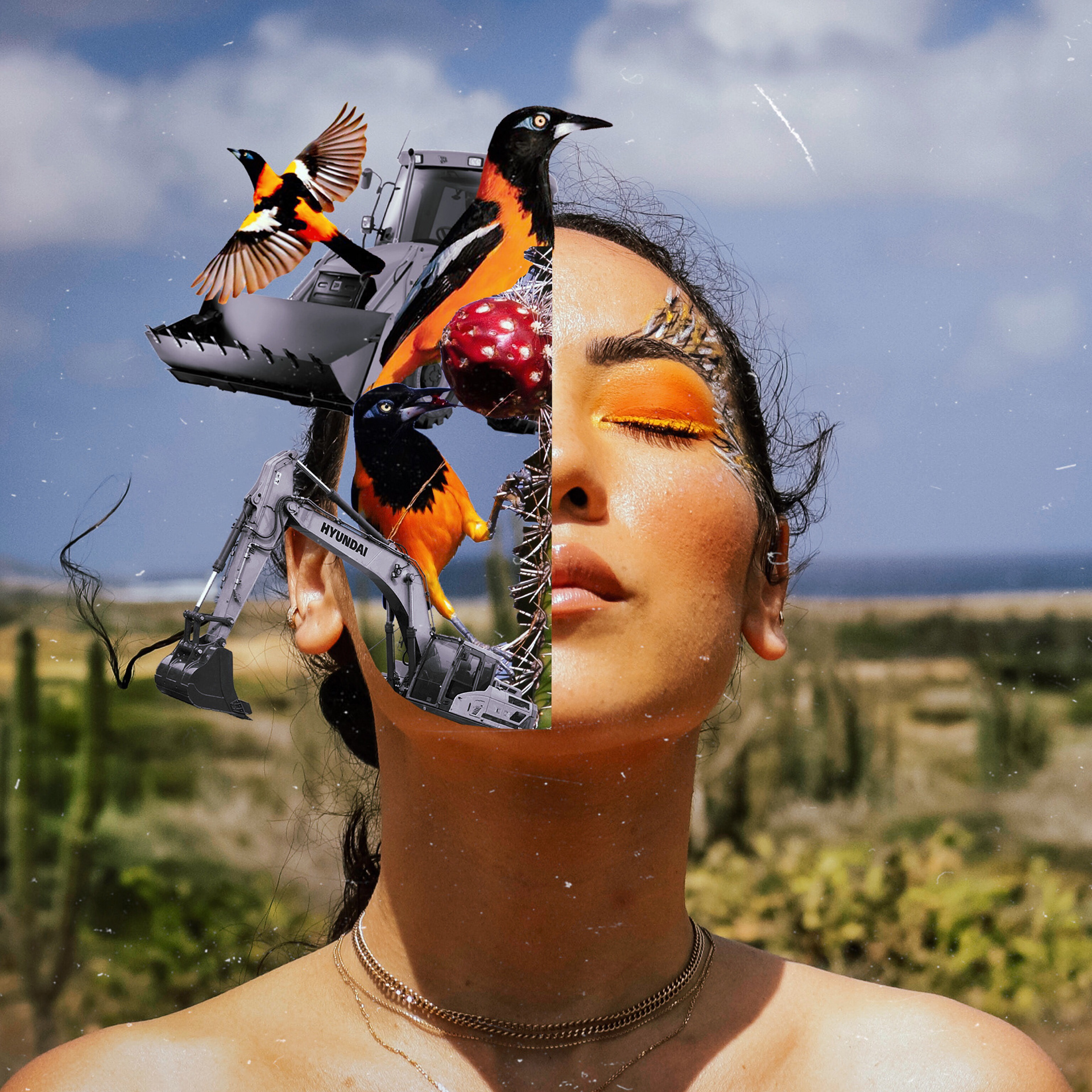
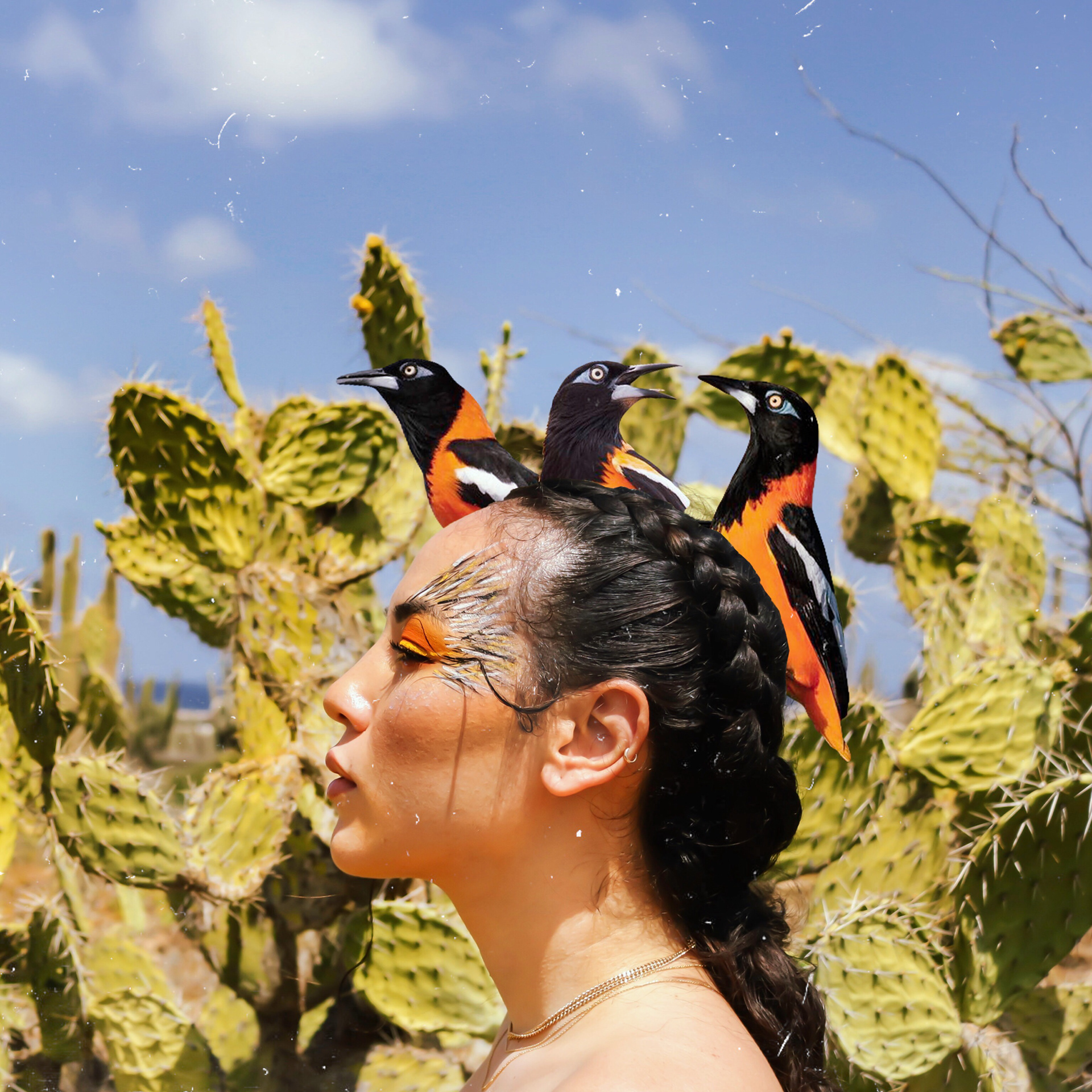
Trupial
The Trupial is a large oriole bird originating from Venezuela that has been part of Aruba’s culture for a long time. One of the many things this bird is known for besides it’s bright contrasting orange and black colors, is it’s loud, piping song which is thrilling to hear. They inhabit dry areas like woodlands, gallery forest, dry scrub, plains, and open savanna where they forage for insects, a wide variety of fruit, small birds and eggs.
Fun fact: Trupial’s do not construct their own nests, but are instead nest ‘pirates’.
They hunt for vacant nests, or drive the adults away from an active nests
Fun fact: Trupial’s do not construct their own nests, but are instead nest ‘pirates’.
They hunt for vacant nests, or drive the adults away from an active nests
Unfortunately, much like the Aruban Burrowing owl the Trupial is also in danger of extinction on the island because of overpopulation, overconstruction and boa constricters.
I’ve recently seen more Trupial’s out in the wild, I hope to see more in pairs sometime in the future. Fortunately the Aruba Birdlife conservation is working hard towards protecting our birds
Dana Wong
Dana Wong
Dana Wong
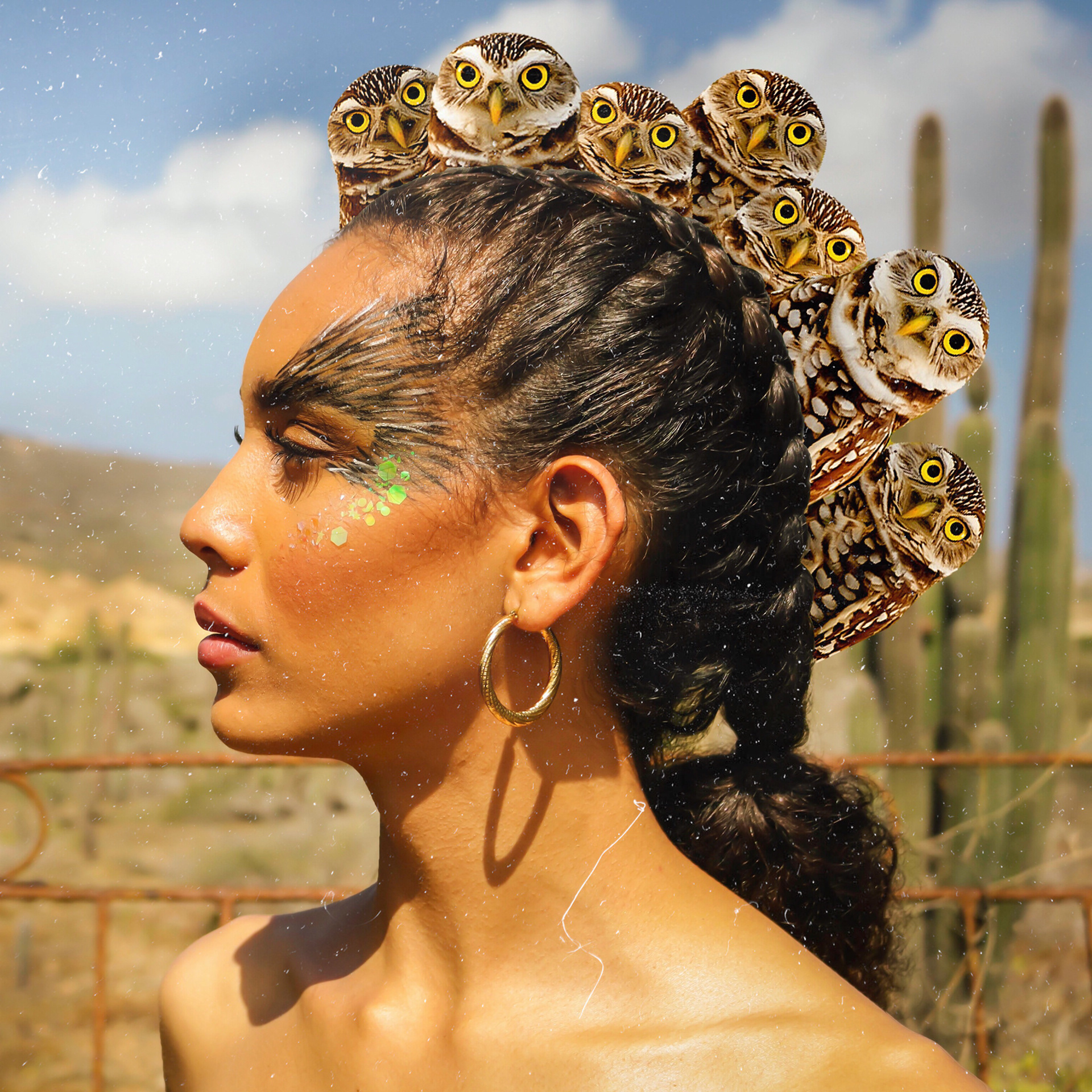
Aruban Burrowing Owl 'Shoco'
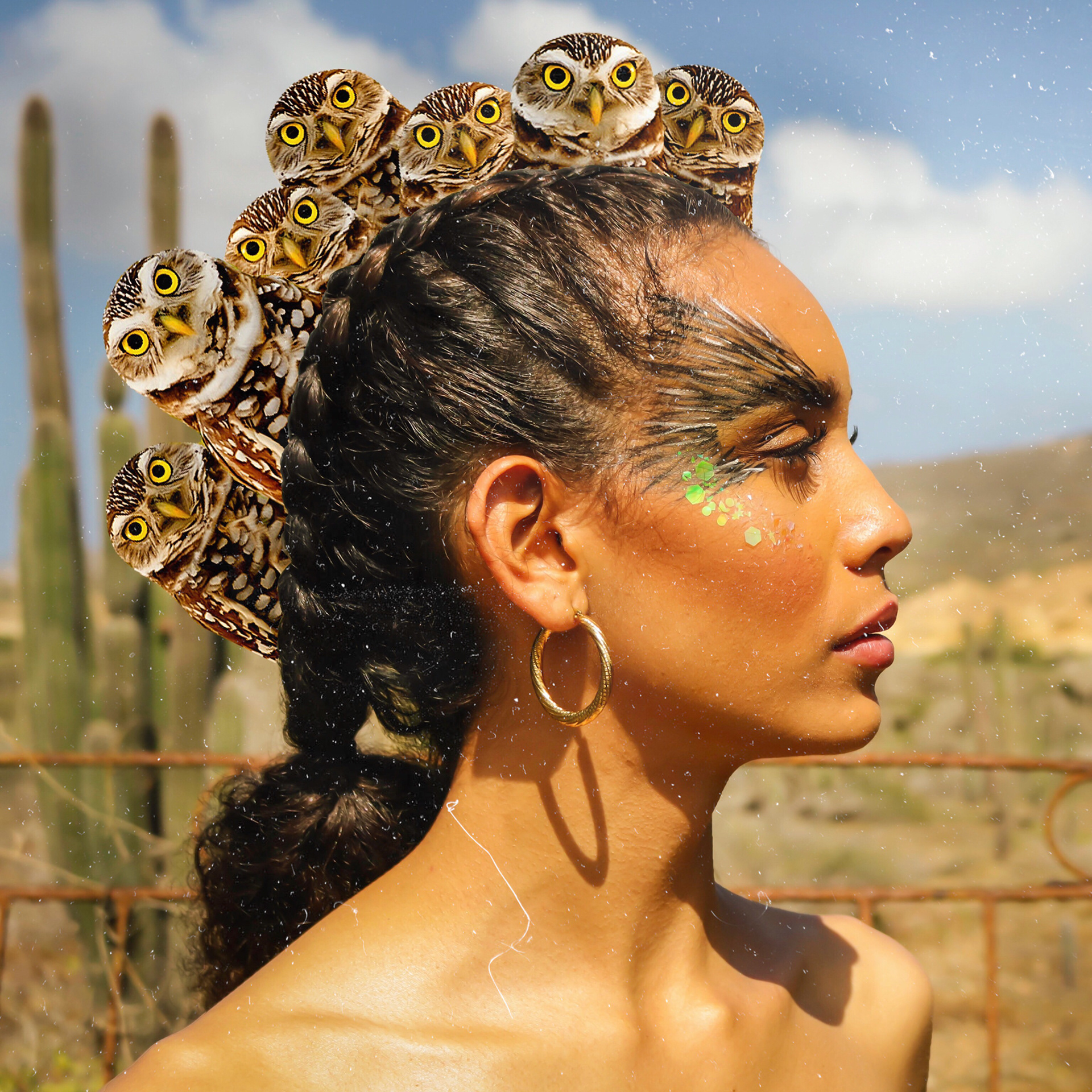
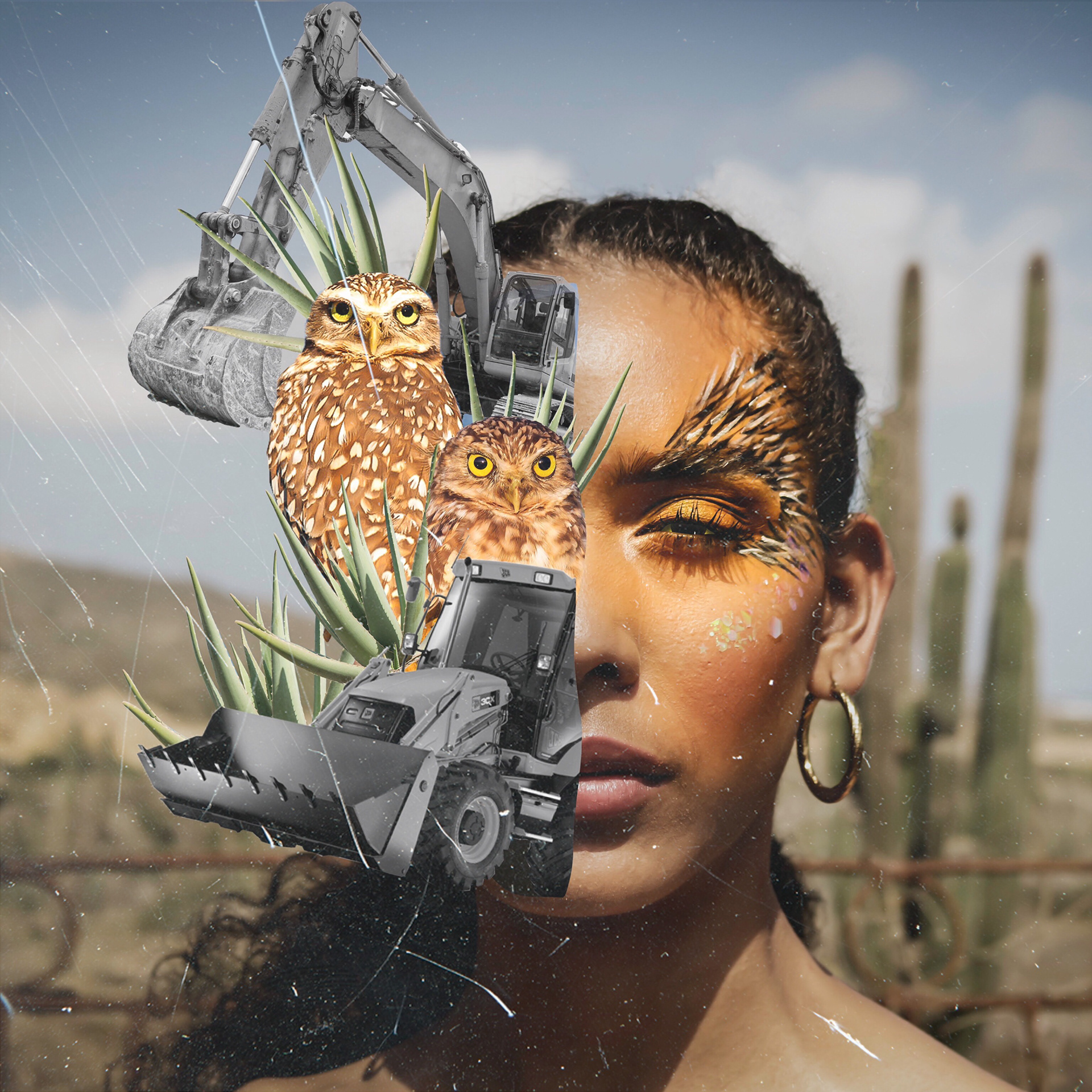
Our wise yet adorable Shon Shoco other wise known as the Aruban Burrowing Owl, was made one of Aruba’s National Symbols in February 2012.
They live in burrows on the ground in areas of cactus scrub and dry forest and feed on insects and rodents which they typically hunt for from the ground, walking, hopping or running after it. Shocos lay three to six eggs that have an incubation period of 28 days and hatch after 42 days.
Fun fact: Burrowing owls get their common name from their unusual habit of nesting underground in already dug-out burrows, although they are known to occasionally dig out their own. When the breeding season is over, the owls continue to use their borrow to rest during the day.
They live in burrows on the ground in areas of cactus scrub and dry forest and feed on insects and rodents which they typically hunt for from the ground, walking, hopping or running after it. Shocos lay three to six eggs that have an incubation period of 28 days and hatch after 42 days.
Fun fact: Burrowing owls get their common name from their unusual habit of nesting underground in already dug-out burrows, although they are known to occasionally dig out their own. When the breeding season is over, the owls continue to use their borrow to rest during the day.
The reality of the situation though is that the Shoco’s population has greatly diminished in the last few decades and is now locally endangered, with estimates of less than 200 pairs remaining due to threats of overdevelopment and the dreaded boa constrictor. Aruba’s burrowing owl is not currently protected but the @arubabirdlifeconservation foundation has been at the heart of the conservation efforts. The foundation campaign declared in 2012 to be the year of the Shoco and for the Aruban Burrowing Owl to be nominated as Aruba’s National Bird. The island’s terrestrial protected area, Parke Arikok, is also an important refuge where the population can recover. Park staff are actively involved in conservation efforts and we thank them greatly
Dana Wong
Dana Wong
Dana Wong
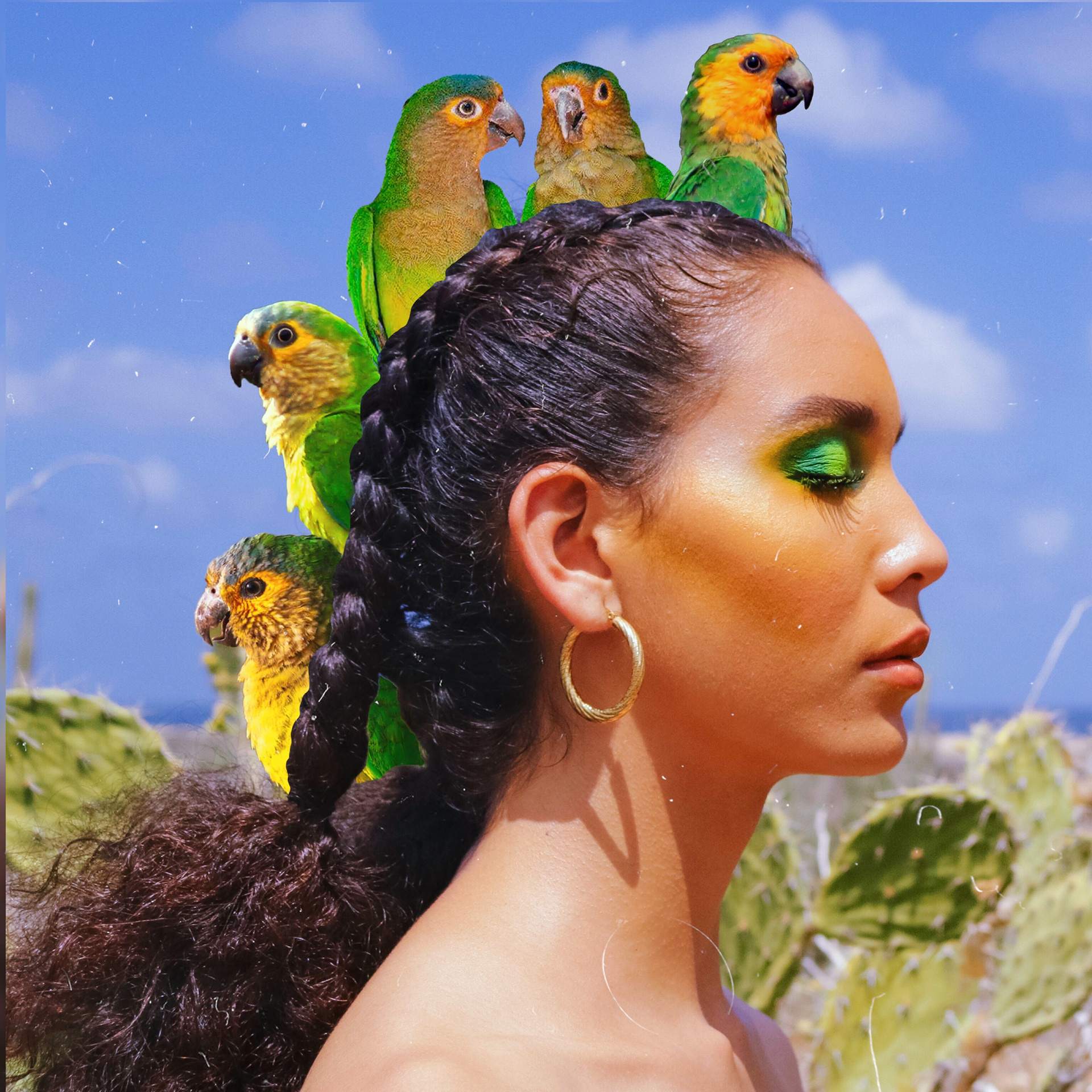
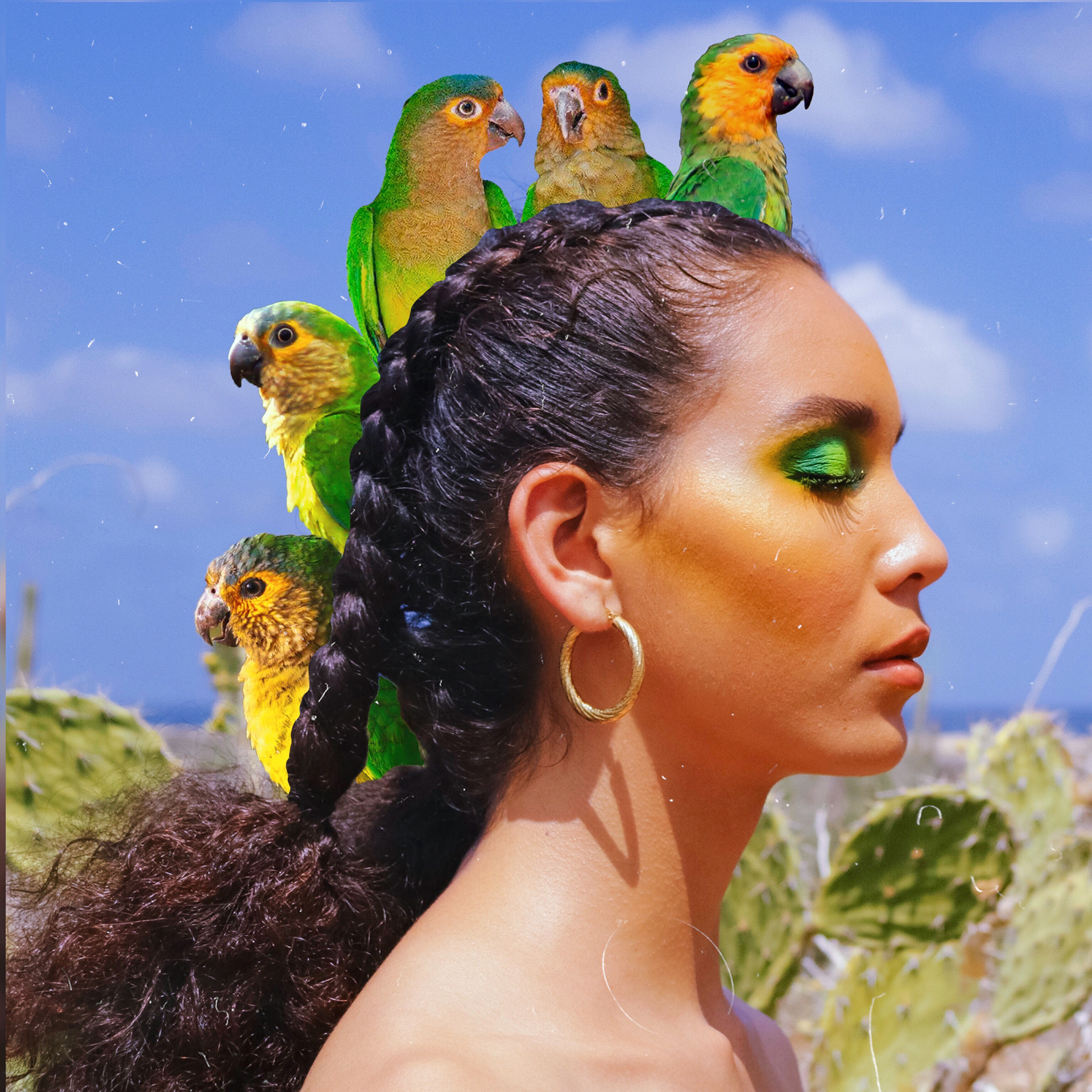
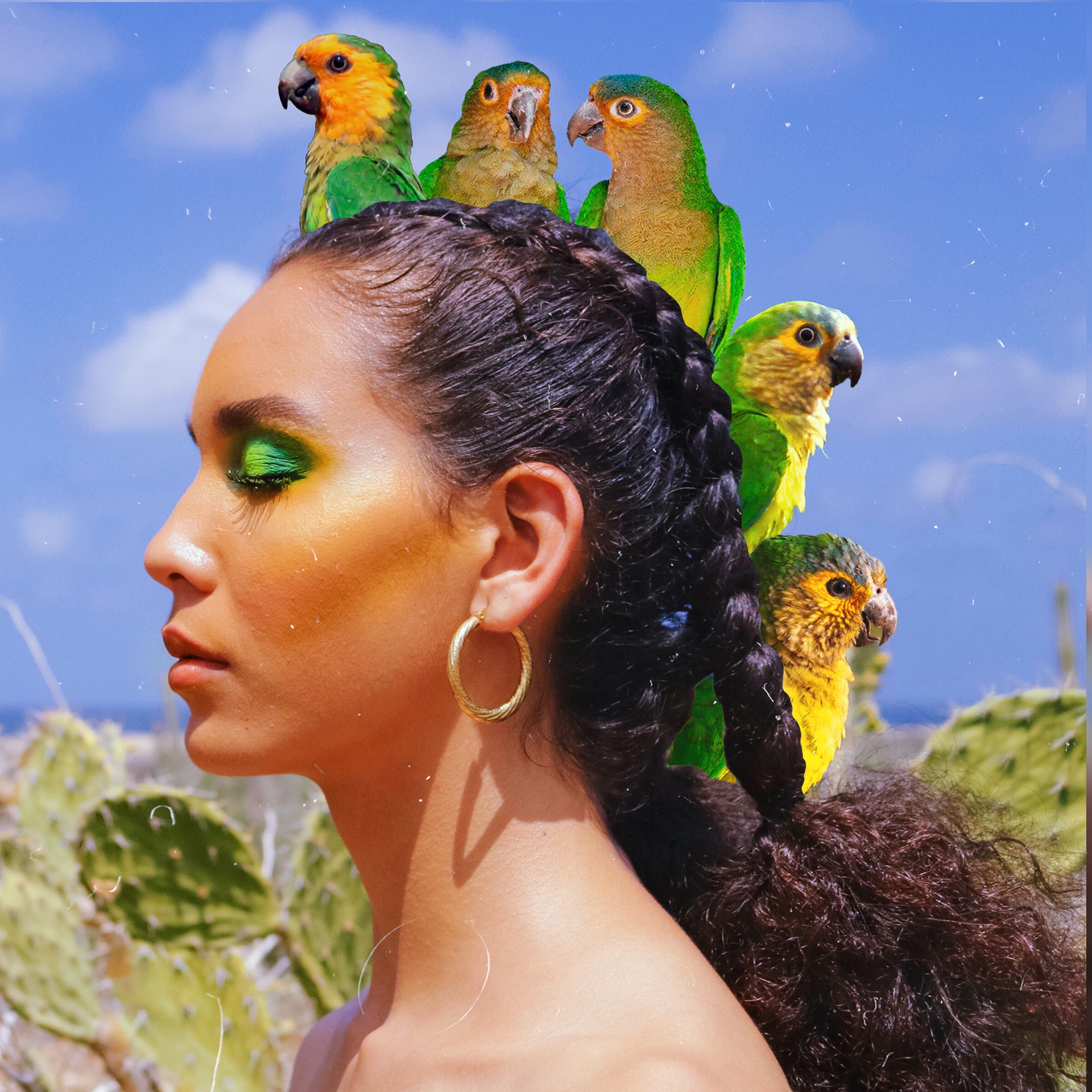
Aruban Parakeet 'Prikichi'
The Aruban Prikichi is a sub species of parakeet that love to roam in groups instead of in pairs or alone. A swarm of migrating prikichi’s can be well over the 100’s and can roar over the Caribbean islands like a noisy whirlwind. Prikichi’s build their nests in tree cavities and caverns, but also tend to sneak into people’s home’s and squat there— where they like to nest most though are in the termite mounds.
Fun fact: The aruban saying “Komehein ta traha kas pa prikichi buta aden” was coined because of the prikichi’s nesting habits.
Fun fact: The aruban saying “Komehein ta traha kas pa prikichi buta aden” was coined because of the prikichi’s nesting habits.
Although the Prikichi was declared to be Aruba’s national bird in 2017 (all thanks to the Aruba Bird Life Conservation’s efforts). The depletion of Prikichi’s in Aruba has risen immensely— I never see any flying in groups anymore, and it’s heart breaking.
Of the 249 species of bird so far recorded on Aruba, only two are endemic sub species – birds which occur on Aruba and nowhere else in the world – Shoko and the Prikichi.
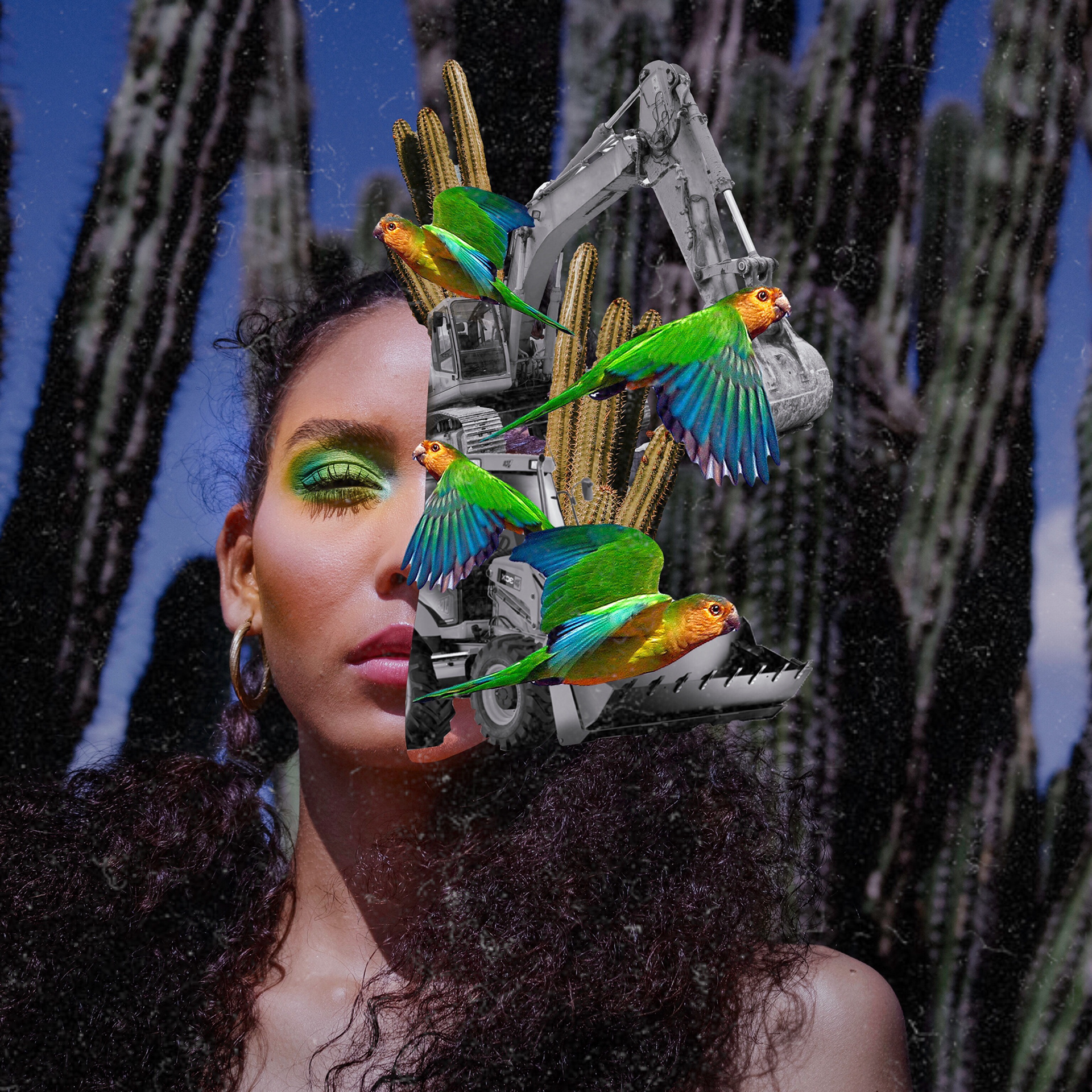
People are increasingly taking in the natural habitat of the prikichi’s and then plunging the site full of buildings for their own benefit— In addition, poachers rob wild prikichi’s from nature to eventually let them spend their days as tame prikichi's in narrow bird cages.
Of the 249 species of bird so far recorded on Aruba, only two are endemic sub species – birds which occur on Aruba and nowhere else in the world – Shoko and the Prikichi.
People are increasingly taking in the natural habitat of the prikichi’s and then plunging the site full of buildings for their own benefit— In addition, poachers rob wild prikichi’s from nature to eventually let them spend their days as tame prikichi's in narrow bird cages.
Mei Chung
Mei Chung
Mei Chung
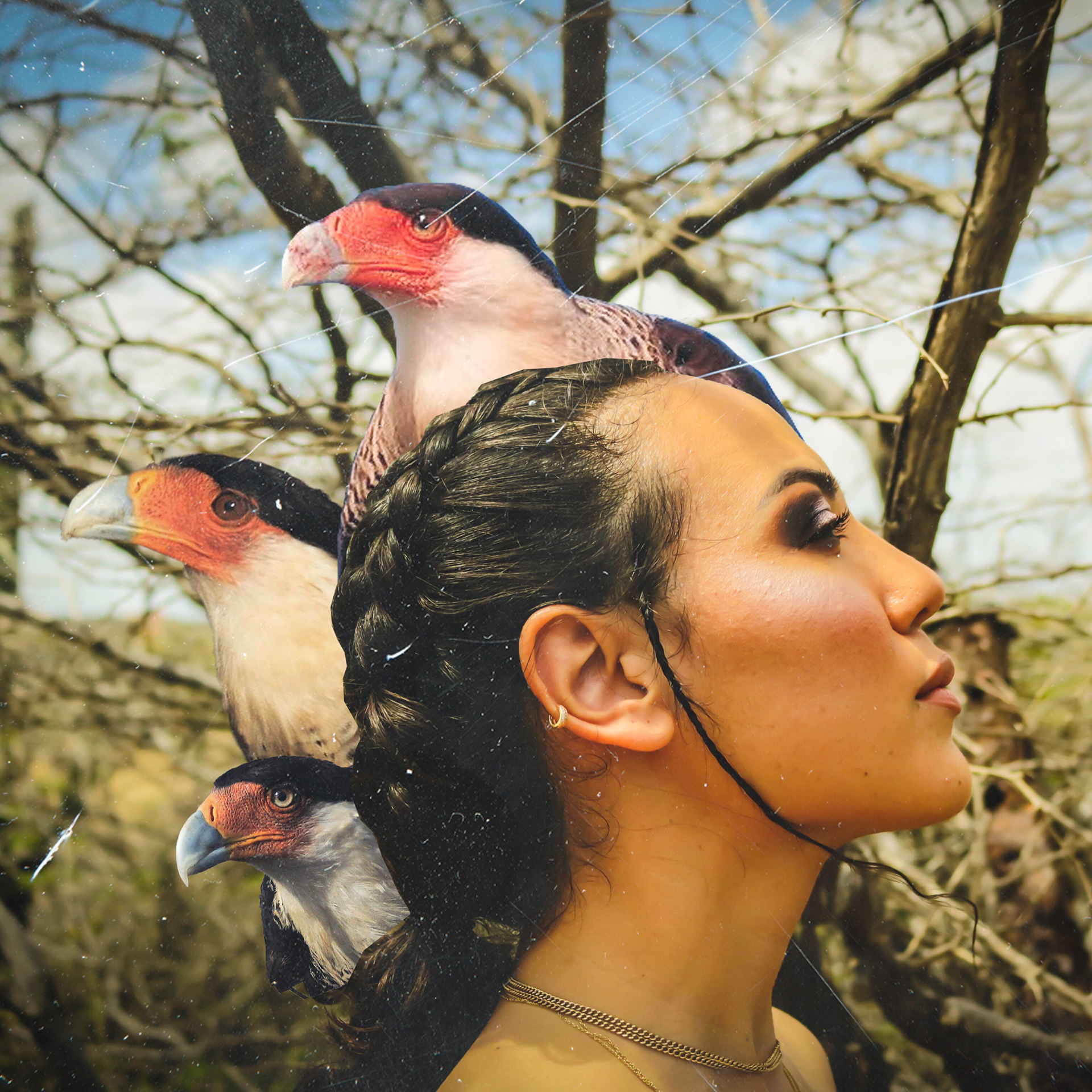
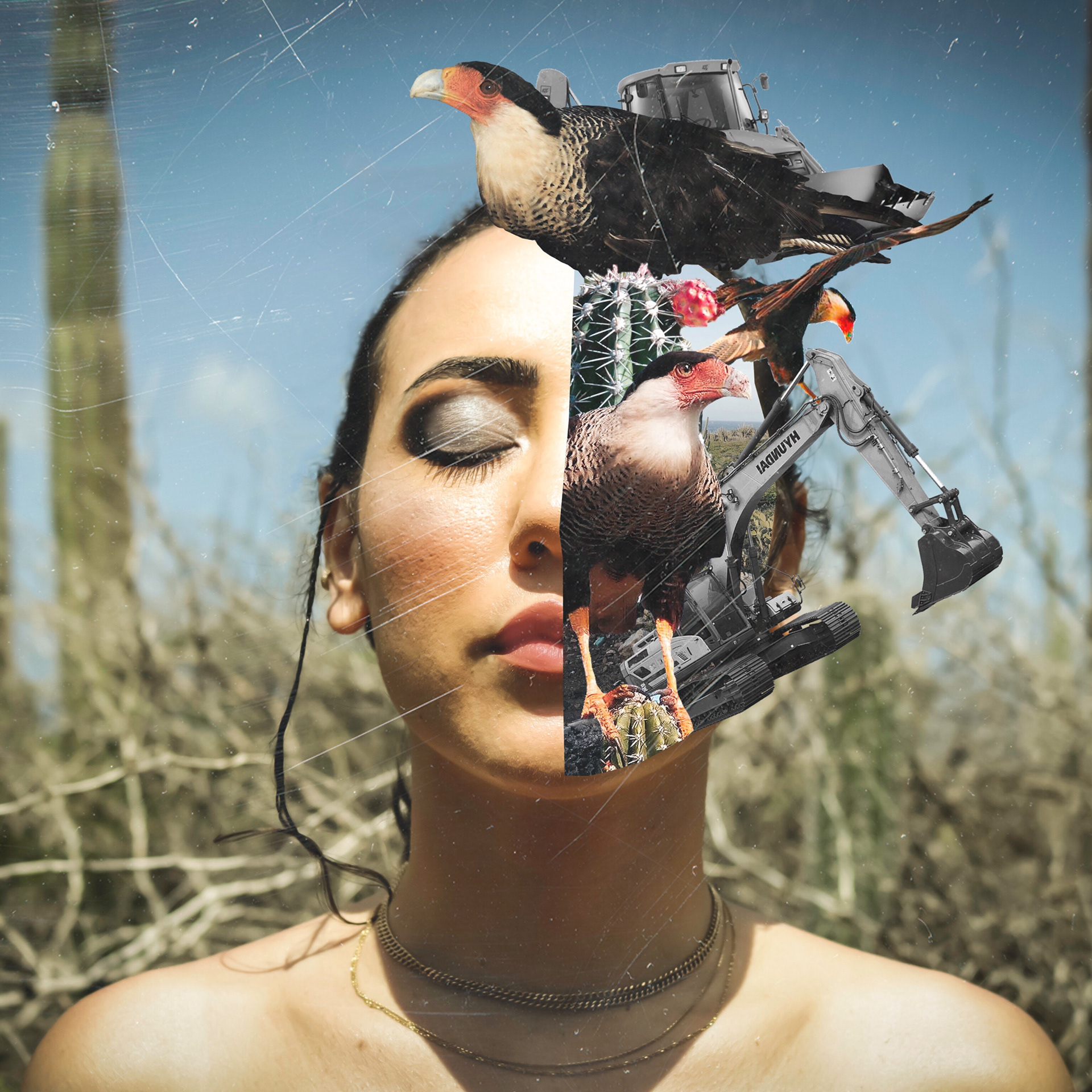
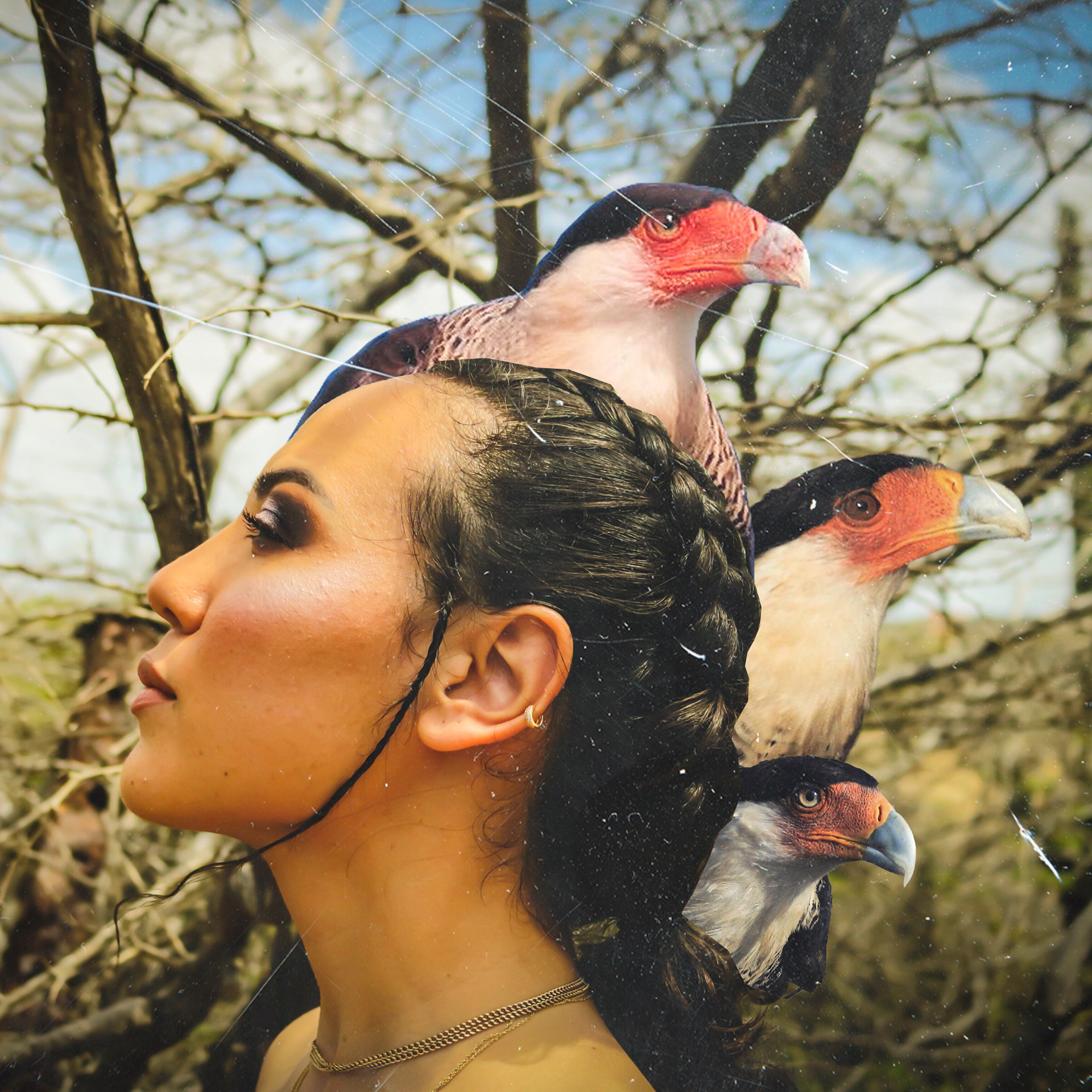
Southern Crested Cacara 'Warawara'
The Warawara (also known as the southern crested caracara) typically lives a solitary life, but several individuals may gather at a large food source (e.g. dumps). They are often seen walking around on the ground looking for food, and mainly feed on carcasses of dead animals, but will steal food from other raptors, raid bird nests, and take live prey if the possibility arises— they feed on mostly insects or other small prey and they may also eat fruit.
After mating, the Warawara makes a nest of thin branches, dried droppings and feathers. They prefer to make their nests in the middle of tall columnar cacti and will usually lay two or three eggs that hatch after 30 days.
Fun fact: The Warawara is the "garbage collector" of the "mondi" and it is the most famous bird of prey on the island.
After mating, the Warawara makes a nest of thin branches, dried droppings and feathers. They prefer to make their nests in the middle of tall columnar cacti and will usually lay two or three eggs that hatch after 30 days.
Fun fact: The Warawara is the "garbage collector" of the "mondi" and it is the most famous bird of prey on the island.
I’ve recently noticed a few warawara’s migrating into the urban area’s of the island, this is no doubt due to overconstruction of buildings and condo’s. The warawara may be a strong creature of prey, and it may be able to defend itself from comon enemies— but they are not strong enough to stop a bulldozer or excavators from destroying their home.
I hope the government can realize that this island we call home is meant to be shared with every living creature, not just PEOPLE, but all animals. We should give thanks to our unique island by preserving the things that MAKE it unique instead of destroying it by embracing the culture of another country